Ruaha and Nyerere National Parks cover more ground together than the entire Serengeti ecosystem, yet most first-time visitors never hear their names. The northern Serengeti, especially the Mara River crossing zone near Kogatende, absorbs the bulk of Tanzania’s safari traffic every July through October. Ruaha and Nyerere sit a short flight south of Dar es Salaam with similar wildlife density and far fewer vehicles at each sighting. Touring Insights compares the three on the numbers that actually shape a trip: park size, drive and flight times, fees, and what you will realistically see. Here is how the Southern Circuit stacks up against the Serengeti’s busiest corner.
Why the Southern Circuit Exists in the Serengeti’s Shadow
Tanzania built its safari reputation on the Serengeti and the Ngorongoro Crater, and marketing budgets followed that reputation for decades. Ruaha and Nyerere never got the same airtime, despite sitting inside one of the largest protected wildlife areas in Africa. Nyerere National Park was carved out of the northern Selous Game Reserve in 2019, which kept much of the old Selous mystique without the name recognition of “Serengeti.” Ruaha, meanwhile, expanded in 2008 to become Tanzania’s largest national park, absorbing the neighboring Usangu Game Reserve. Both parks now offer Big Five-adjacent game viewing across open, uncrowded terrain. The tradeoff is a longer, pricier flight path and no wildebeest migration spectacle to anchor a trip around.
Ruaha National Park: Tanzania’s Largest, Least Crowded Cat Country
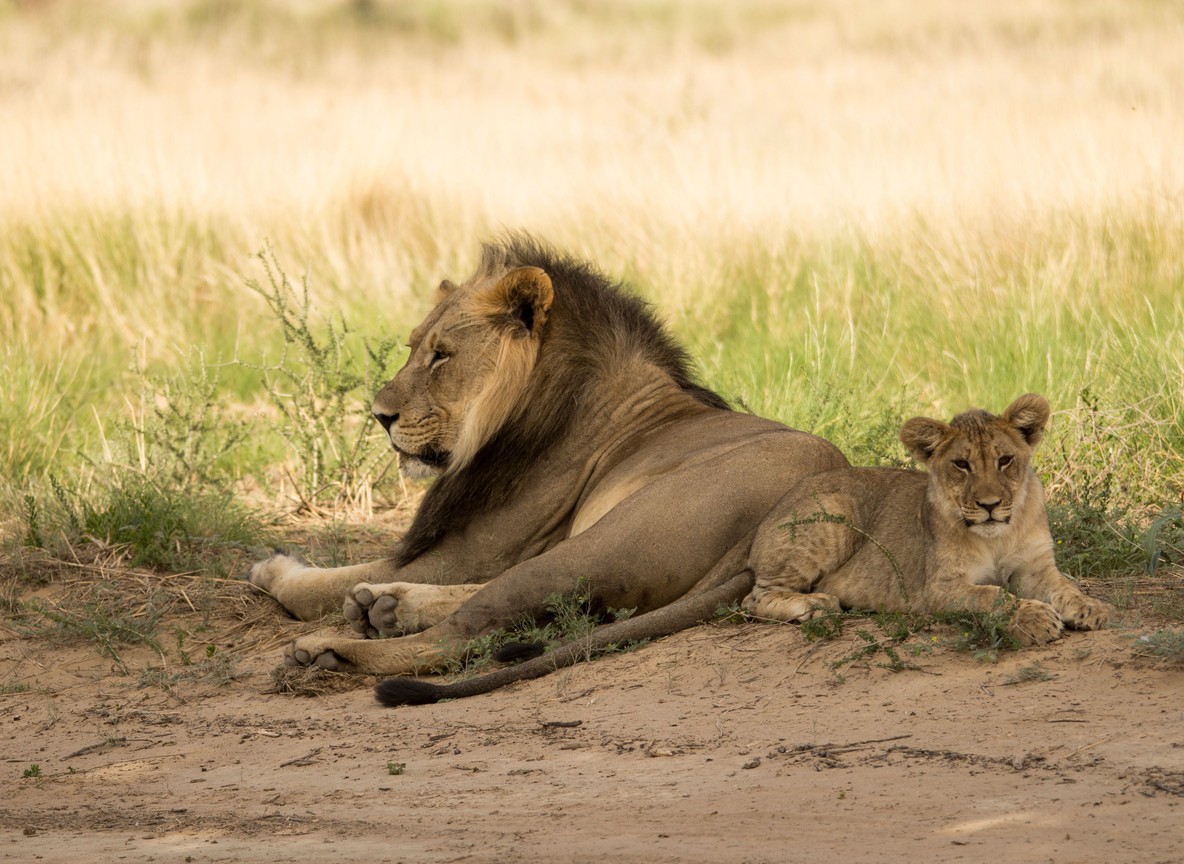
Ruaha covers about 20,226 km2 of miombo woodland, baobab-studded hills, and the seasonal Great Ruaha River. Lion Landscapes and Asilia Africa estimate the wider Rungwa-Ruaha landscape holds roughly 10% of the world’s remaining lion population, alongside one of East Africa’s largest wild dog packs. Elephant herds here number in the hundreds at a single waterhole during the dry season. Access runs through Msembe airstrip, a roughly 1.5 hour scheduled flight from Dar es Salaam, or a long overland route via Iringa town. Camps worth knowing include Jongomero, Kigelia Ruaha, and Ruaha River Lodge, most sitting directly on the riverbank where game concentrates when the water drops.
Nyerere National Park: Rivers, Boat Safaris, and Room to Roam
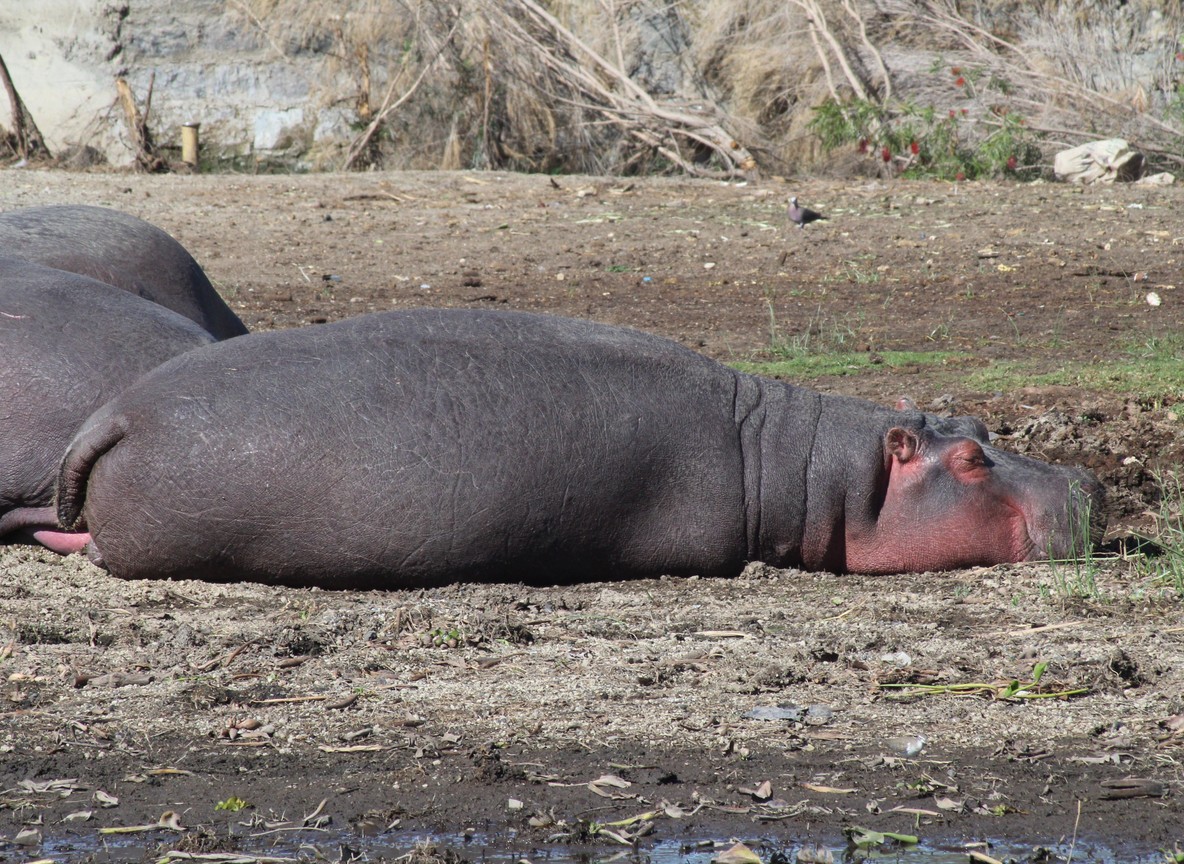
Nyerere spans approximately 30,893 km2 along the Rufiji River and Lake Tagalala, making it the largest single national park carved from the old Selous Game Reserve system. The Rufiji’s channels support boat safaris alongside standard game drives, a format Ruaha and the Serengeti cannot offer. Hippo and crocodile densities along the river rank among the highest in Tanzania. Access is easier than Ruaha’s: Mtemere and Siwandu airstrips sit roughly 45 minutes by scheduled flight from Dar es Salaam. Camps like Siwandu, Roho ya Selous, and Selous Serena Camp cluster near the river system, putting boat and vehicle game drives within reach of the same base.
Serengeti North: The Migration, the Mara River, and the Crowds That Come With Both
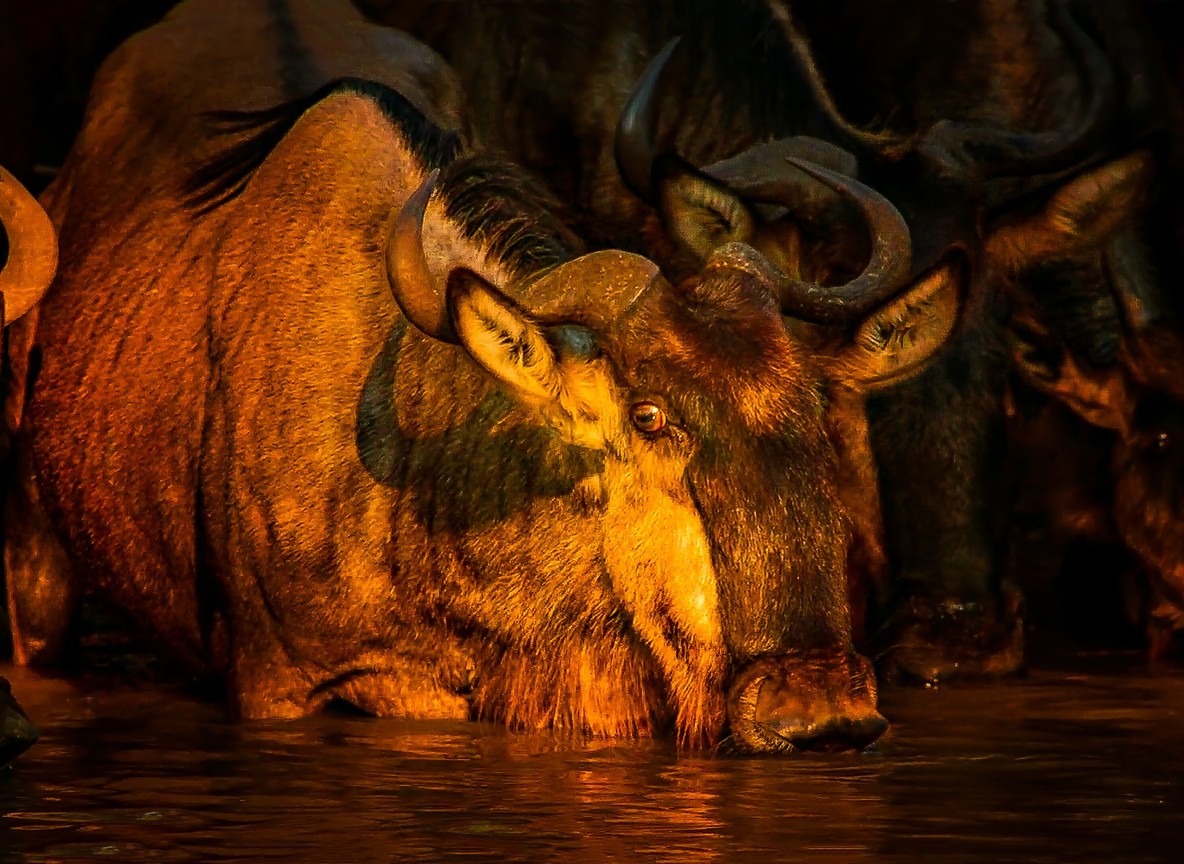
The northern Serengeti, centered on the Kogatende area near the Mara River, is where the wildebeest migration’s river crossings happen roughly July through October. It is the single most photographed wildlife event in East Africa, and vehicle numbers at a crossing point can run into double digits during peak weeks. The Serengeti ecosystem totals about 14,750 km2 for the national park itself, smaller than Ruaha or Nyerere individually. Access runs through Kogatende airstrip, about a 1 to 1.5 hour flight from Arusha, or a long drive of roughly 335 km that typically takes 7 to 8 hours from Arusha through the park’s central Seronera area. Camps like Sayari and Lamai Serengeti book out months ahead for peak crossing weeks.
Southern Circuit vs Serengeti North: The Numbers Side by Side
| Metric | Ruaha NP | Nyerere NP | Serengeti (North) |
|---|---|---|---|
| Park size | approx. 20,226 km2 | approx. 30,893 km2 | approx. 14,750 km2 (whole park) |
| Nearest gateway city | Dar es Salaam / Iringa | Dar es Salaam | Arusha |
| Flight time from gateway | approx. 1 to 1.5 hr to Msembe airstrip | approx. 45 min to Mtemere/Siwandu airstrip | approx. 1 to 1.5 hr to Kogatende airstrip |
| Drive time from gateway | approx. 8 to 10 hr via Iringa | approx. 5 to 6 hr (approx. 230 km) | approx. 7 to 8 hr (approx. 335 km) |
| Non-resident park fee | indicative USD 30-35 per 24 hr | indicative USD 30-35 per 24 hr | indicative USD 70-82 per 24 hr |
| Signature draw | resident lion density, Great Ruaha River | Rufiji boat safaris, Lake Tagalala | Mara River wildebeest crossings |
| Typical vehicle density per sighting | low, often a single vehicle | low, often a single vehicle | high in peak crossing weeks |
Fees and flight schedules change by season and operator. Confirm current TANAPA park fees and scheduled flight times directly with your camp or a Southern Circuit operator before booking.
Getting There: Flights, Drives, and Real Travel Times
The Southern Circuit’s main cost is logistics, not the parks themselves. A Dar es Salaam to Ruaha flight adds roughly 1.5 hours each way, and most itineraries pair it with Nyerere to justify the charter cost, since the two parks sit within a short hop of each other. Serengeti North requires routing through Arusha first, then either a domestic flight or a long drive north through Seronera, adding a full extra travel day compared to a Southern Circuit-only itinerary. Travelers already in Zanzibar or coastal Tanzania often find Ruaha and Nyerere logistically simpler, since both fly directly from Dar es Salaam without an Arusha stopover.
When to Go: Matching Season to Circuit
Ruaha and Nyerere peak during the dry season from June through October, when animals concentrate along the Great Ruaha and Rufiji rivers as smaller water sources disappear. The wettest months, March through May, bring lush scenery and lower rates but harder game viewing. Serengeti North is tightly seasonal around the Mara River crossings, typically July through October, with the rest of the year better suited to the central and southern Serengeti instead. A traveler chasing the crossing spectacle has a narrow window. Someone prioritizing lions, elephants, and river wildlife over a single migration event has more flexibility on the Southern Circuit.
Explorer Notes
Book Ruaha and Nyerere as a combined charter flight itinerary rather than two separate bookings; most light aircraft operators price a Dar es Salaam-Ruaha-Nyerere loop lower than booking each leg alone. Ask your camp whether the Great Ruaha River is flowing at the time of your visit. In severe dry years it has run dry in sections, which concentrates wildlife dramatically but changes the boat and swimming-pool logistics some camps rely on. For Nyerere specifically, request a camp with its own boat rather than a shared one; river safari slots fill fast in peak season. If a crowded Mara River crossing is not the point of your trip, tell your operator that up front. Several Southern Circuit camps run private walking safaris with armed rangers, an option rarely available in the northern Serengeti’s more regulated, high-traffic zones.
FAQ
Is Ruaha or Nyerere better for a first Tanzania safari? Ruaha suits travelers who want strong resident lion and elephant sightings with minimal cost layering. Nyerere suits those who want boat safaris and river-based game viewing alongside standard drives. Many itineraries combine both over 4 to 5 nights.
How much less crowded is the Southern Circuit than Serengeti North? Exact visitor counts shift year to year, but Ruaha and Nyerere consistently see far fewer vehicles per sighting than the Serengeti’s Mara River crossing zone, where dozens of vehicles can gather at a single crossing point in peak weeks.
Can you combine Ruaha, Nyerere, and Serengeti North in one trip? Yes, though it requires flying between two separate gateway cities, Dar es Salaam and Arusha, adding at least one extra travel day and a higher charter flight budget than staying within a single circuit.
What is the best time to visit Ruaha and Nyerere? The dry season from June through October brings the strongest game viewing, as wildlife concentrates along the Great Ruaha and Rufiji rivers.
Do Ruaha and Nyerere have the same wildlife as the Serengeti? They share lions, elephants, and buffalo, but the Serengeti’s defining feature, the wildebeest migration, is not present on the Southern Circuit. Ruaha and Nyerere instead offer higher predator density and river-based wildlife in a quieter setting.
What to Read Next
- Building a full Tanzania itinerary? See 7-Day Kenya Safari Itinerary for First-Timers for a planning framework that adapts across East Africa circuits.
- Curious about the lion numbers behind Ruaha’s reputation? Read Ruaha National Park: Home to 10% of the World’s Lions.
- Weighing river safaris against classic game drives? Compare formats in Best Time to Visit Laikipia, Kenya for how seasonal water levels shape sightings across East Africa.
A quieter circuit is still a logistics puzzle, not a shortcut. Check the Tour Packages page for current Ruaha-Nyerere combined itineraries, or ask a partner operator whether a Southern Circuit loop or a Serengeti North add-on fits your dates better.
Further reading
More safari planning resources
- Wildebeest migration map from SafariPure
- Wildebeest migration route map from Valley Safaris
- Mara River crossing guide on Touring Insights
- Great Migration safari collection on FindMySafari
Related guides: Why Tanzania’s Longest-Running Safari Operator Says Book the Northern Circuit Now.